How I Changed Hampton Nautical So It Could Run Without Me
I grew Hampton Nautical from one product into the largest retailer in its niche. Then I looked at the company like a buyer and realized I would not buy the business the way I had built it.

I started Hampton Nautical in 1997 as an e-commerce business selling model ships. I had one product, a handcrafted model of the USS Constitution, and I was working out of my bedroom.
Over the next 25 years, that one product grew into more than 8,000 products sold around the world. Hampton pioneered online retail in its category and became the world’s largest retailer in its niche. At its peak, the company had roughly 350 employees, three factories in China, one in India, and a 30,000-square-foot warehouse, office and showroom in Los Angeles. The business was profitable. By almost every conventional measure, I had built a successful company.

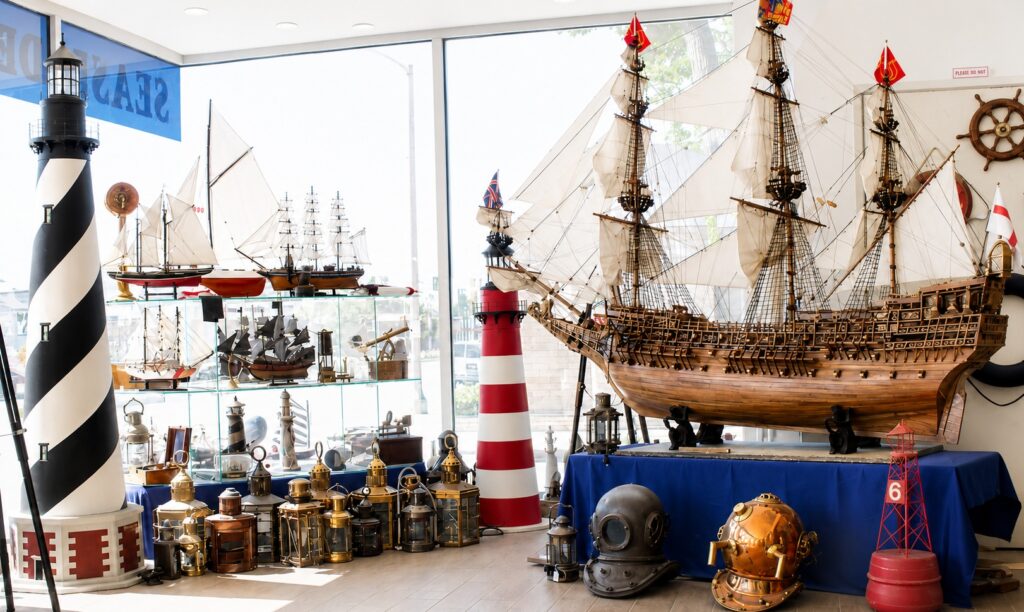
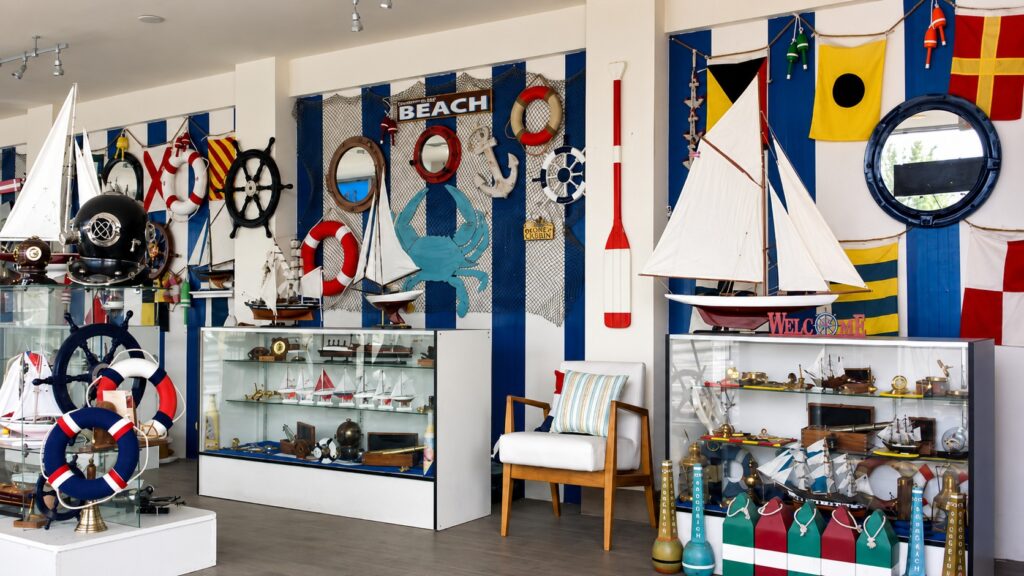
The front showroom showed the polished side of Hampton Nautical. Behind it were the inventory, factories, systems and decisions required to support more than 8,000 products.
And Amazon wanted more.
Our Amazon account representative kept asking the same question:
“What new products do you have?”
Amazon was buying essentially every new product we offered at the price we proposed.
Think about what that does to you as an entrepreneur.
I could come up with an idea, design it, have our factories make it, and one of the largest retailers in the world was already waiting to buy it.
Why would I stop?
That Saturday gave me exactly what I thought I wanted. The stock market was closed. Hampton Nautical’s factories in China and India were closed. So was our U.S. operation. I had no meetings, nobody needed an immediate decision, and there was very little chance anyone was going to interrupt me.
I could review hundreds of option positions without watching prices change every second. Then I could spend the rest of the day doing something I genuinely enjoyed: designing even more Hampton products for Amazon to buy.
It was a beautiful summer day. Years earlier, I probably would have been playing golf.
Instead, I was happy that nobody was going to bother me while I worked for fourteen hours.
That was when it hit me.
My idea of a great Saturday had become uninterrupted time to create even more work for myself.
I had never stopped to ask whether I wanted the life that came with all of it.
I just kept working.
Would I buy this business today?
My answer was no.
Not because Hampton was failing. It was profitable and successful. The problem was the life that came with owning it. I was involved in too many decisions and processes, and almost everything eventually found its way back to me.
Once I looked at Hampton as a buyer, I could see what was creating the burden: too much inventory, too much money tied up, too many products and manual processes, an overflowing warehouse and too much dependence on the owner. I wasn’t trying to make Hampton smaller. I wanted a profitable company that used capital intelligently, operated without constant intervention and was a business I actually wanted to own.
So I went through everything: revenue, expenses, margins, products, inventory, freight, tariffs, processing fees, advertising, customer terms, warehouse costs, sales channels, staffing, systems and my own role. We renegotiated costs, eliminated expenses that no longer made sense and questioned things that had survived mainly because that was how we had always done them.
The examples below are only a few of the changes. The larger question was:
Knowing what I know today, what would I keep, what would I change, and what would I stop doing entirely?
The Sales Report Didn’t Tell the Whole Story
One of the first things I did was run our post-Christmas sales reports. This was normally when we determined what had sold, what was running low and what we needed to reorder from our factories.
Our museum-quality cruise ships stood out immediately. We made large models of the Titanic, Queen Mary, SS United States and other famous ships. Some were as large as 72 inches, and some included LED lighting and remote-control systems. They were beautiful, intricate models with lifeboats, railings, cranes, rigging and delicate deck details, and they sold extremely well.
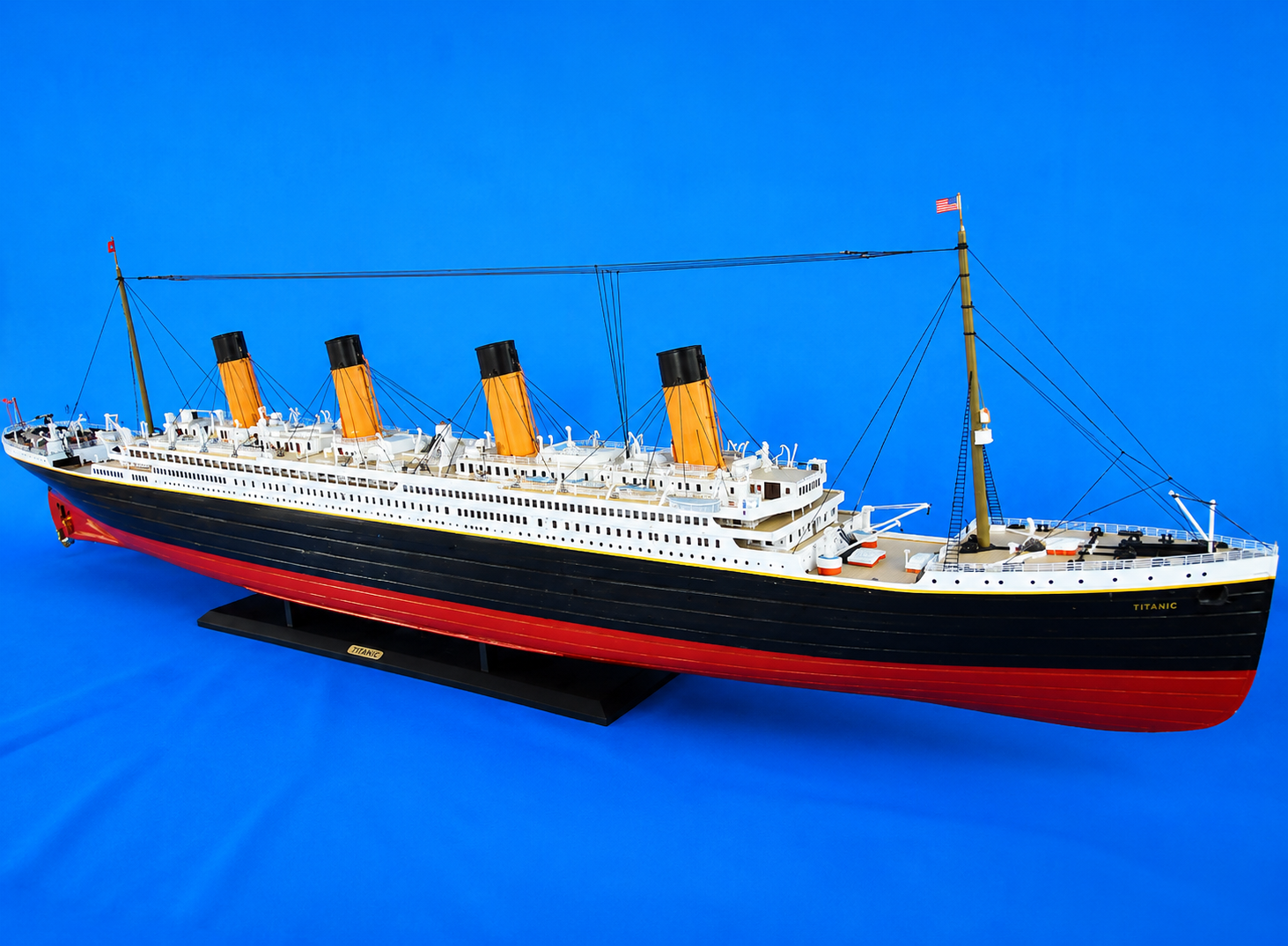
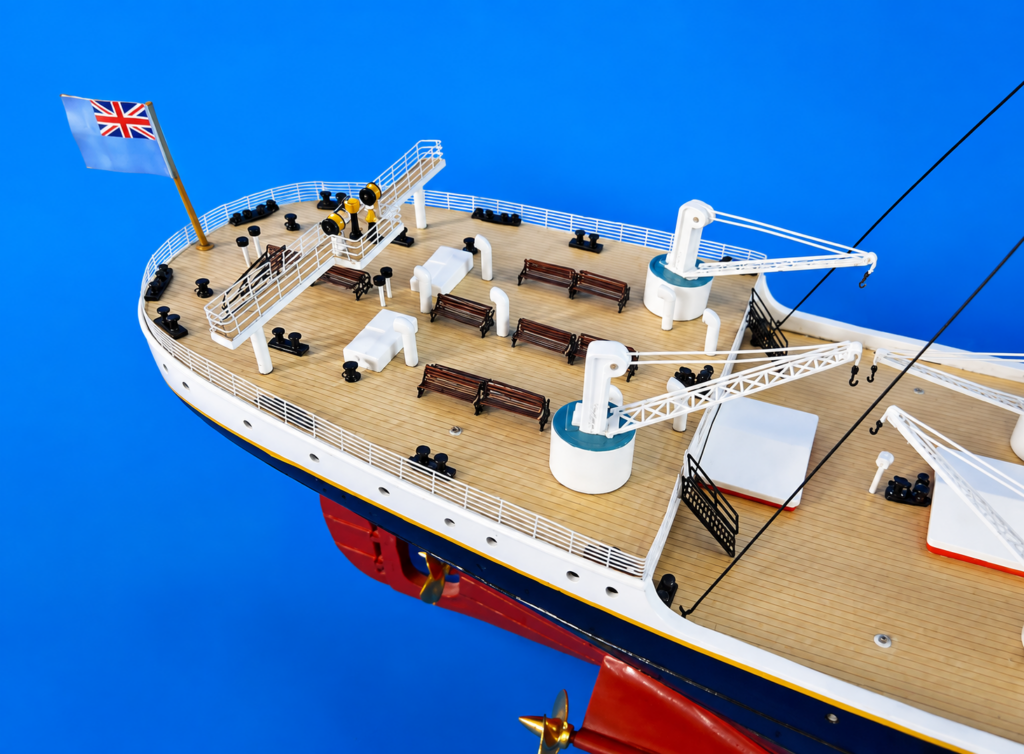
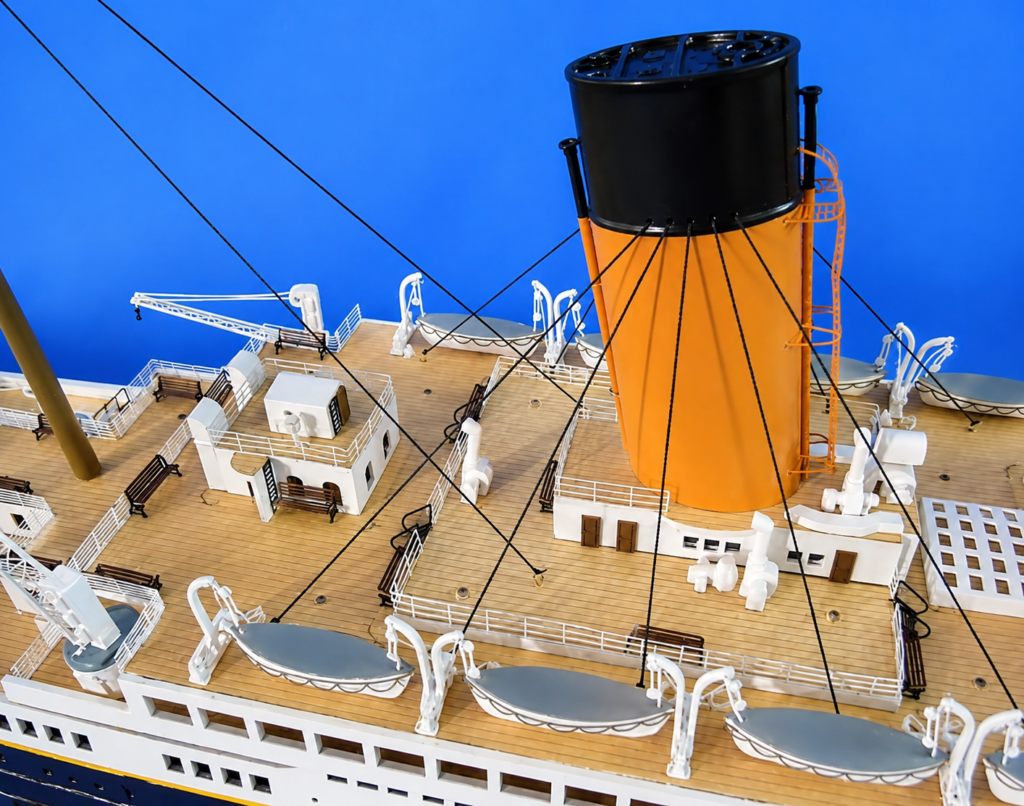
The Titanic line illustrates the level of detail in Hampton’s museum-quality cruise ships. Some large cruise-ship models reached 72 inches and included LED lighting and remote-control systems.
The obvious decision was to reorder them. Instead, I asked:
Do I actually want to make these again?
Every ship had to be opened and inspected when it arrived. Many needed repairs, better securing and new packaging. We had two full-time employees repairing model ships and another employee handling problem merchandise. Even after all of that, I remember roughly one out of four suffering serious damage during shipping.
The same details that made the models impressive also made them vulnerable.
On a sales report, they looked like great products. The report didn’t show the repair labor, packaging, warehouse space, capital and management attention required to support them.
So we stopped making them.
Every Reorder Became a New Investment Decision
I didn’t eliminate thousands of products overnight. Whenever something needed to be reordered, we looked at it again from scratch. Was it really profitable? How much capital would another production run require? How much complexity came with selling it?
Then we asked:
Knowing everything we know today, would we choose to make this product again?
Sometimes the answer was yes. Sometimes we raised the price or changed the product. Other times we sold what remained and never manufactured it again.
The same test applied to some of our large museum-quality tall ships. Models like HMS Victory were extraordinarily detailed, expensive to manufacture, fragile to handle and difficult to store and ship. Some were products I loved, but that was no longer enough reason to make them again.
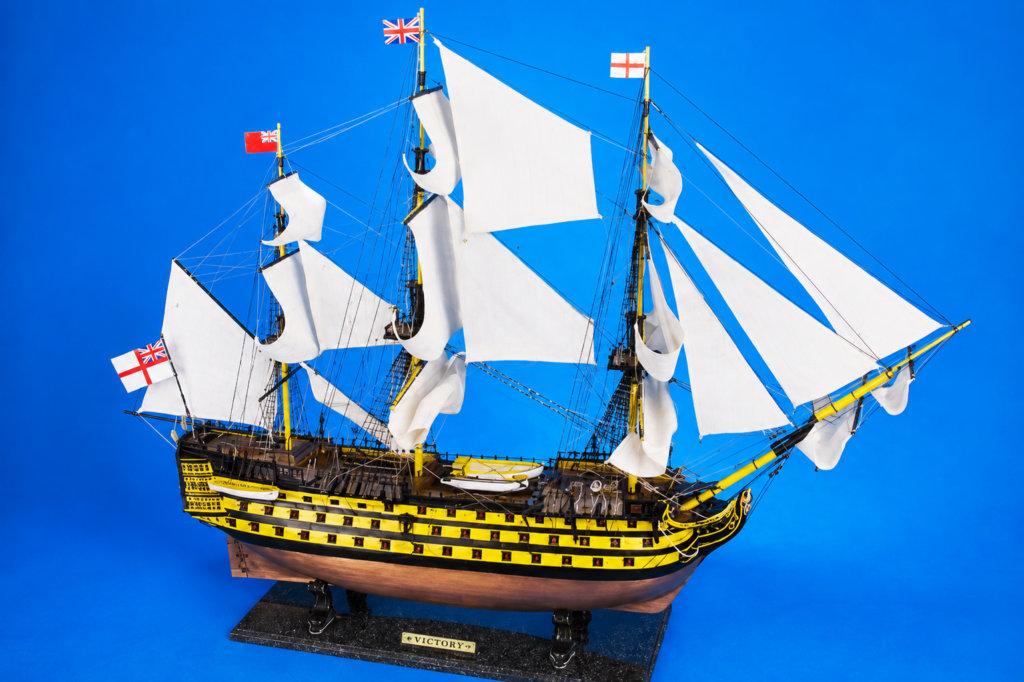
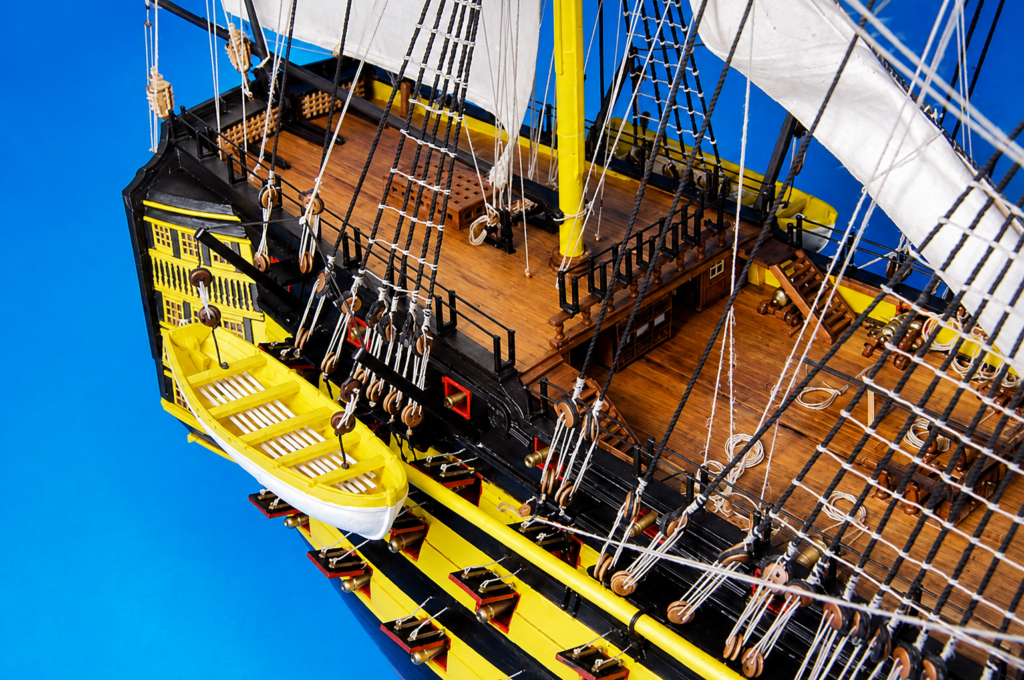
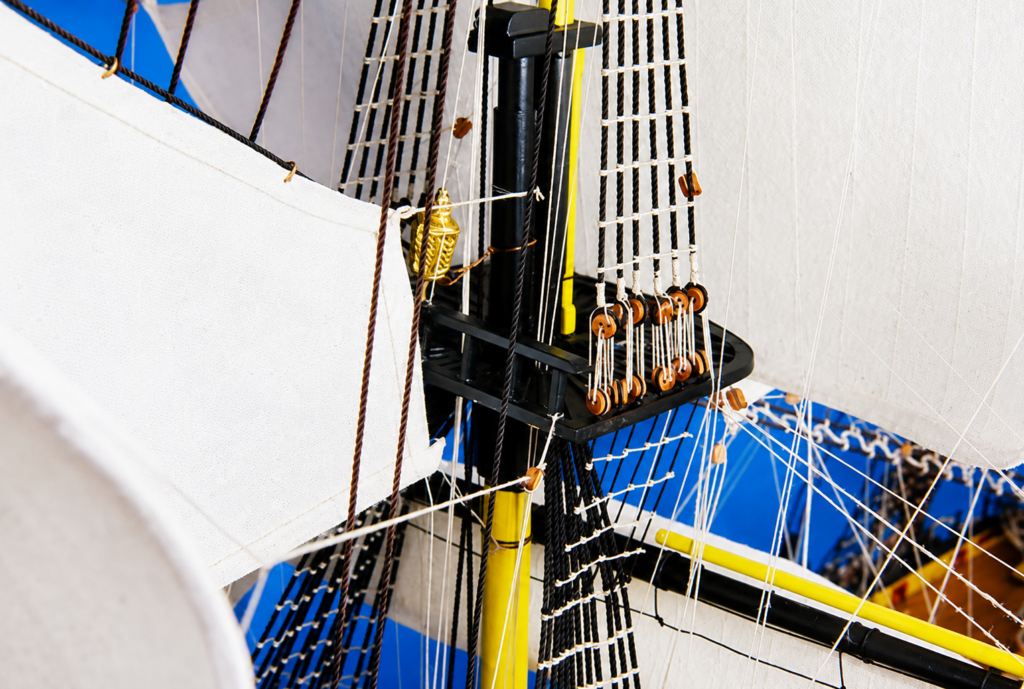
Large museum-quality tall ships such as HMS Victory required intricate rigging, fittings, deck work and hand assembly. Their beauty came with substantial complexity.
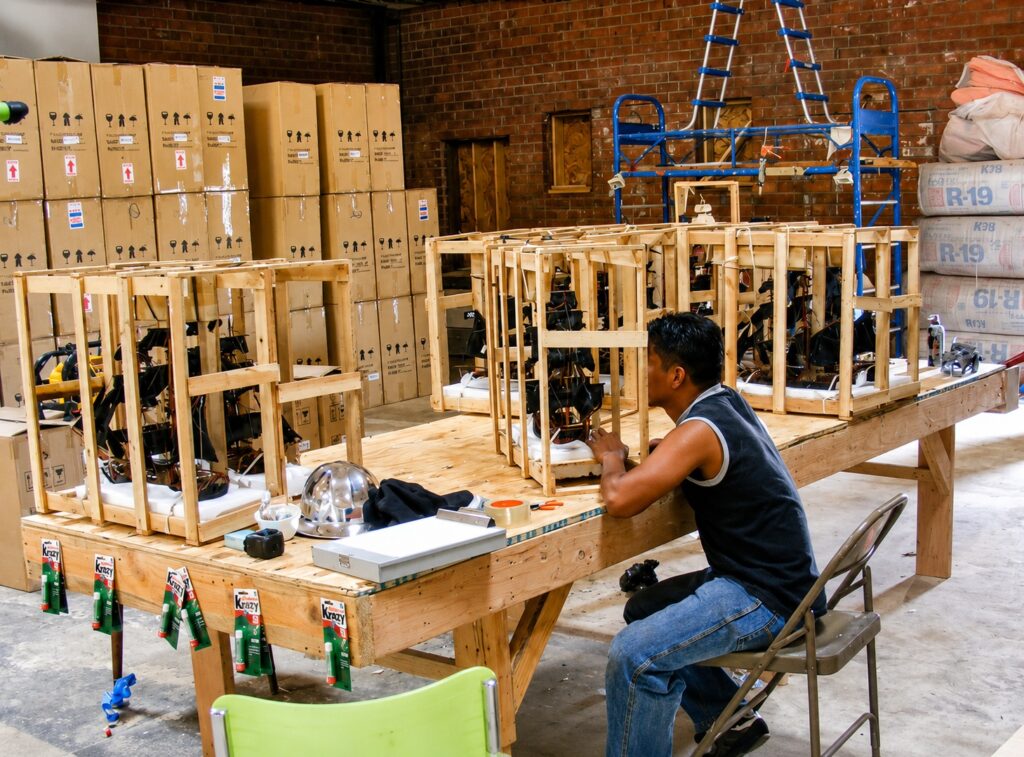
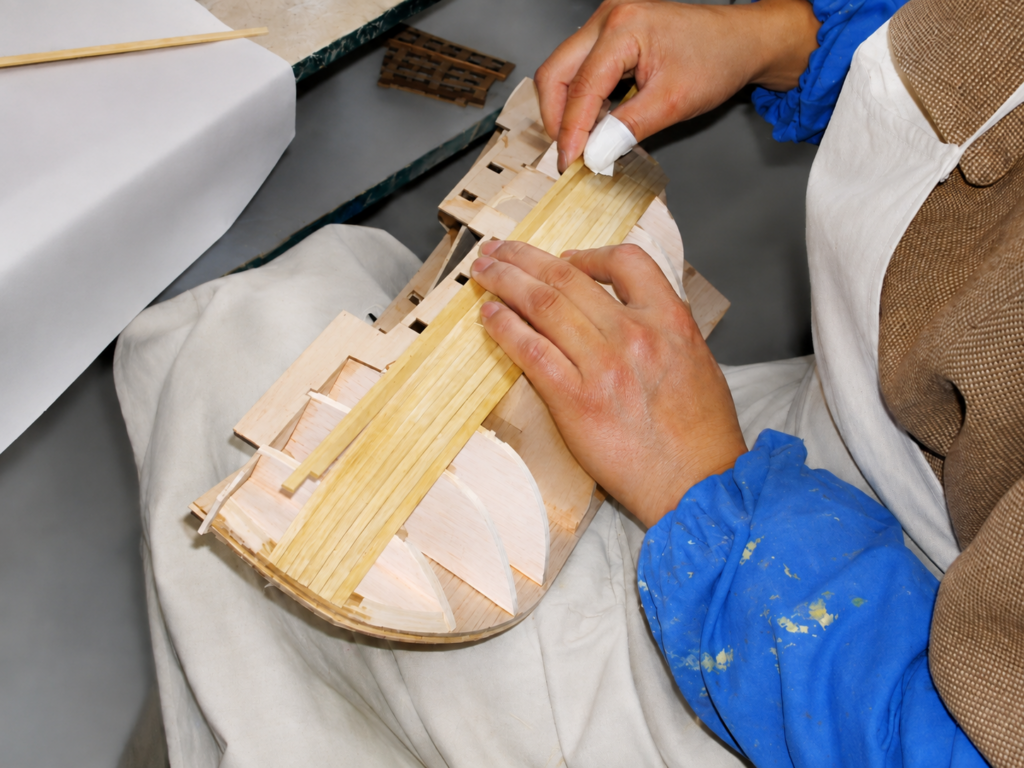
Much of that complexity was created by hand. Building these models meant shaping and assembling wooden hulls, adding fittings and deck details, and eventually completing the rigging and finishing work.
Over several years, Hampton reduced its catalog by roughly 5,000 products, moving from more than 8,000 toward 3,000.
We also changed the way we thought about production quantities. Factories reward volume. The more you manufacture, the lower the unit cost can become. For years, that encouraged us to place large orders, sometimes enough inventory to last five, six or seven years.
The unit price looked great, but then the cash sat in inventory for years. We filled warehouse space, paid to bring containers across the ocean, absorbed tariffs and paid employees to receive, move and manage all of it.
The cheapest unit price wasn’t always the cheapest decision.
So we became much more disciplined about how much inventory we were willing to own.
Everyone Thought We Needed a Bigger Warehouse
Our Los Angeles warehouse had become dangerously crowded. We occupied roughly 30,000 square feet. Inventory was stacked high, aisles became too narrow, and more than once the fire marshal warned us about conditions that could potentially get us shut down. Our managers believed we needed something closer to 60,000 square feet.
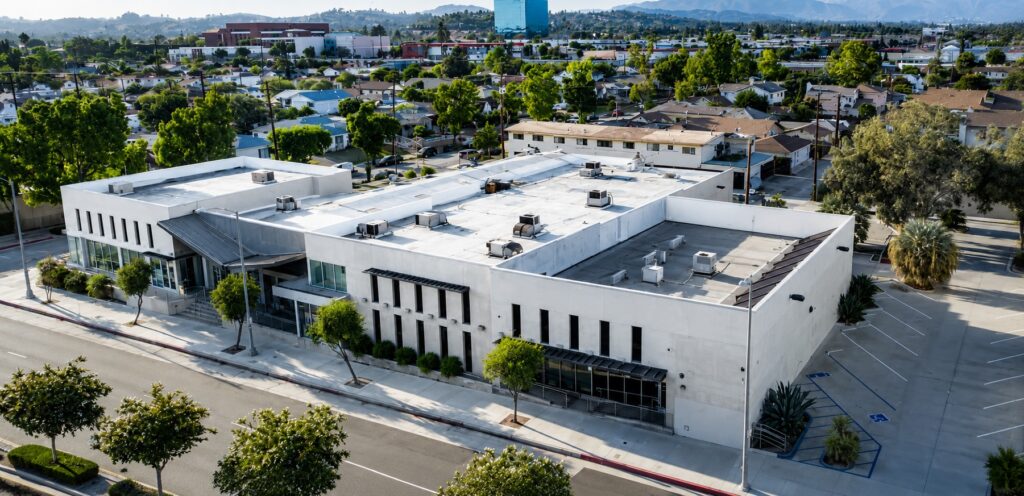
They had a legitimate problem. But did I sign a long-term lease on 60,000 square feet? What if we outgrew that in two years? Did I go to 100,000 or add another warehouse?
Instead of immediately buying more space, I wanted to know why we needed it.

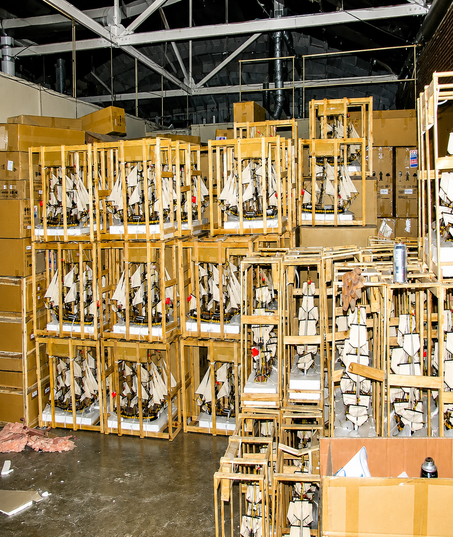
Inside, inventory had consumed the available space. Aisles narrowed while bulky model ships, boxes and crating filled the racks almost to the ceiling.
Part of the answer was too much inventory. Large model ships could sit in bulky wooden shipping crates while discontinued, slow-moving and imperfect merchandise consumed valuable racks.
One example was roughly 1,000 ship wheels that had arrived slightly warped. They normally sold for around $30, but Amazon, the primary customer, couldn’t take them. They were sitting in large boxes filled with Styrofoam and taking up multiple warehouse racks.
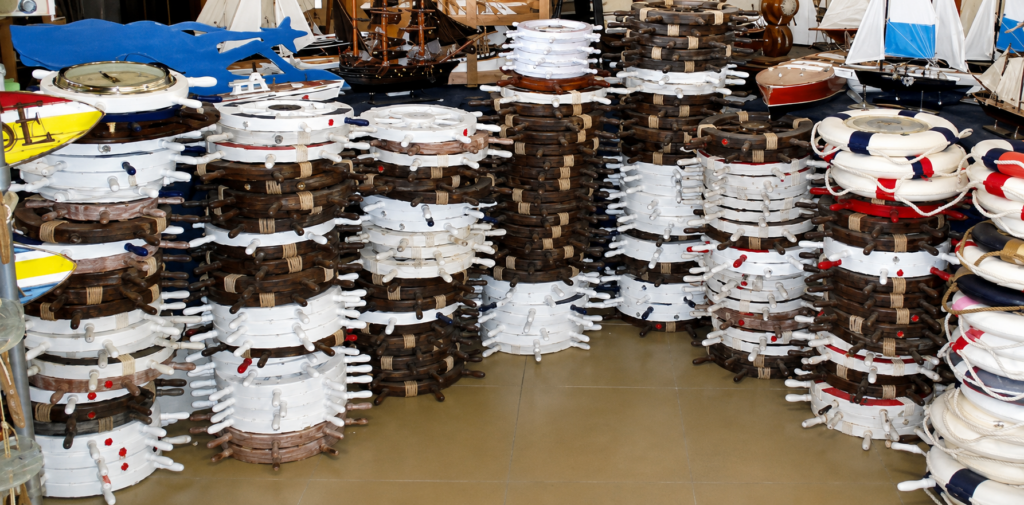
We removed the packaging, stacked the wheels in the showroom and priced them at $5. Within about six months, all 1,000 were gone.
We did the same thing with other imperfect and discontinued merchandise. We converted part of the warehouse into a clearance area and priced products to move instead of storing them indefinitely hoping to recover full value. We got some cash back and, more importantly, got the inventory out of the building.
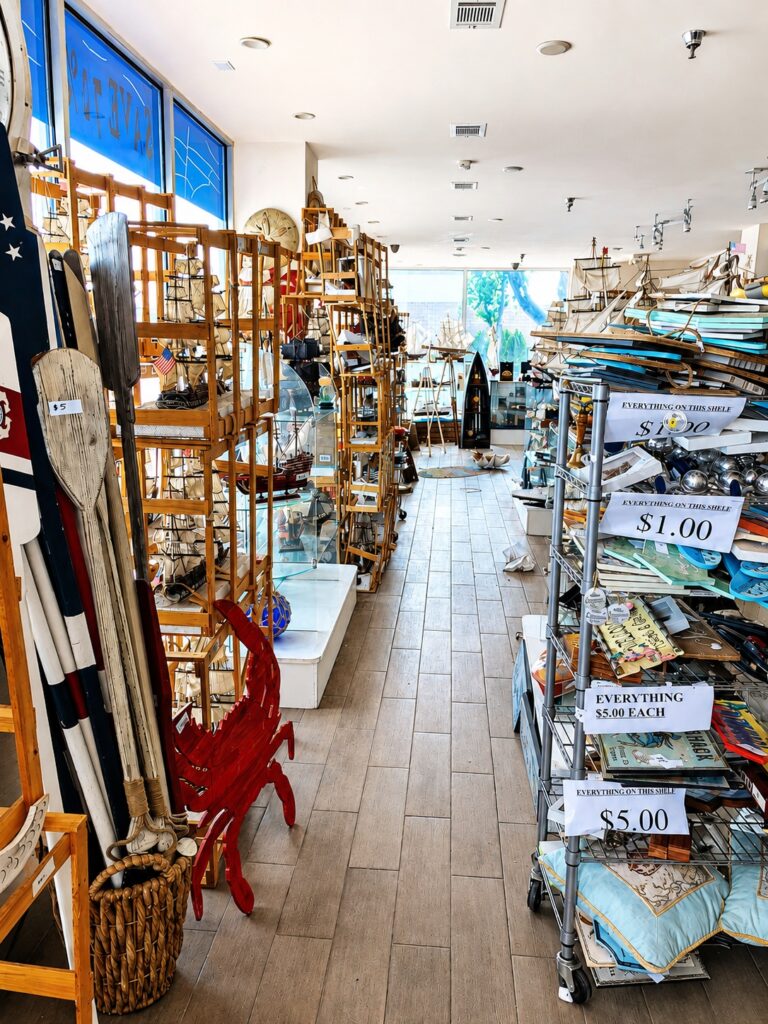
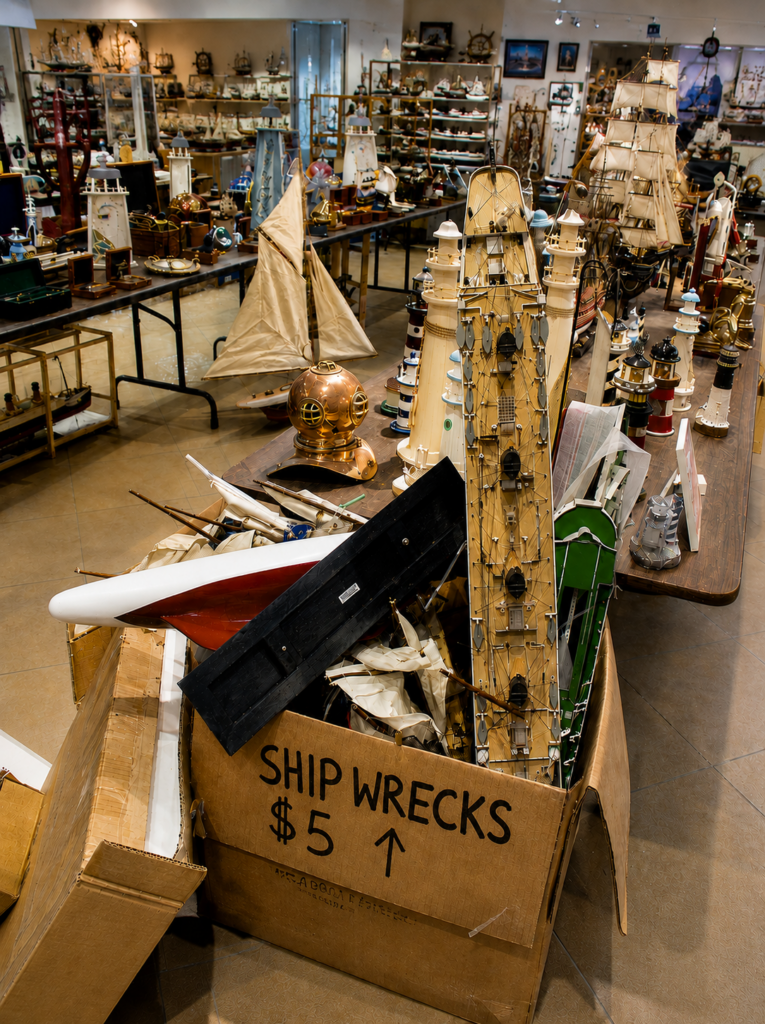
We turned part of the space into a clearance area and aggressively sold through damaged, imperfect and discontinued merchandise rather than continuing to store it.
As we reduced unnecessary inventory and stopped reordering products that didn’t make sense, the warehouse opened up. We never needed the larger Los Angeles warehouse.
What looked like a real estate problem was actually a symptom of decisions being made elsewhere in the business.
More space would have accommodated the problem.
Changing the business solved it.
The Market Changed. Our Strategy Hadn’t.
When I started Hampton, selling directly to consumers made sense. We were early, and there weren’t thousands of retailers selling the kinds of nautical products we offered.
Over time, that changed. Amazon sold Hampton products. Walmart sold them. Thousands of gift stores and other retailers sold them.
Yet we were still spending money and management time attracting many of the same consumers ourselves through Google, Facebook, Pinterest, Amazon and social media.
I looked at that and asked:
Why am I competing with my own customers?
Those retailers were already spending their own money finding consumers. Instead of paying to acquire another individual retail order, we could focus on wholesale accounts that might order from us repeatedly. So we shifted heavily toward wholesale and reduced consumer advertising to essentially zero.
That exposed another problem. We had thousands of wholesale and drop-ship customers, but too much of the relationship was being handled manually. Customers called to check inventory, place or change orders, handle returns and resolve shipping problems.
The business was good. The process wasn’t.
So we built a self-service vendor portal. Customers could see inventory, place orders, pay by credit card, access product information and submit customer-service requests without calling us. Phone calls dropped dramatically.

We simplified credit too. Smaller accounts paid before merchandise shipped. Larger customers doing roughly $500,000 a year could still receive terms. We also eliminated sales channels that produced some revenue but required disproportionate systems and attention, including eBay, Overstock, Newegg, Sears and Zulily.
None of those decisions alone transformed Hampton.
Together, they removed a tremendous amount of complexity.
I Had to Apply the Same Test to Myself
The hardest part of Hampton to evaluate objectively was my own role.
COVID had shown me something important, but it hadn’t shown me that Hampton could run perfectly without me. It couldn’t.
Our operations manager had taken over much of the factory responsibility while I was gone, despite never having done that job before. He kept the critical things moving and made the best decisions he could. Other issues were deferred, and some of the decisions were inevitably suboptimal because he was trying to cover a role he hadn’t been trained to do.
But Hampton had survived for months without me.
That mattered.
It showed me that the answer wasn’t for me to take every factory decision back forever. The answer was to give capable people better systems, clearer authority and enough experience to make more of those decisions well.
I realized I had confused my ability to make a decision with proof that I needed to make every decision.
So I didn’t take every responsibility back. Whenever something continually landed on my desk, I started asking why I was doing it.
Sometimes the answer was delegation. Sometimes we needed a better system. Sometimes someone else needed more authority. Occasionally, the right answer was to stop doing it.
Hampton became easier for everyone to operate. Morale improved. Employee turnover declined.
Complexity had been costing more than money.
Less Revenue. About the Same Profit.
Over the next several years, revenue declined.
Profit stayed about the same.
And my life changed.
Before COVID, Hampton could consume roughly 50 hours of my week, with work frequently stretching late into the night as the factories overseas began their day.
Today, I spend a couple of hours a week on the company.
I still set the direction, remain involved in major product and inventory decisions and work with important key accounts. Those are places where I believe the owner adds value.
I am simply no longer Hampton Nautical’s operating system.
Some of the revenue I had spent years chasing had been buying complexity rather than creating value.
That experience now shapes how I look at businesses through Blue Chip Macro. Step outside the day-to-day, look at the company with the objectivity of a buyer, and ask what you would keep, change or stop doing if you were buying it today.
Would I Buy Hampton Nautical Today?
In 2022, I wouldn’t have bought Hampton Nautical exactly as it was.
Today I would.
It is profitable. It has systems and capable people. It requires far less inventory, capital, warehouse space and management attention. Most importantly, owning it no longer requires me to give it most of my life.
I didn’t need a different business.
I needed to build a business I would want to own.
That is why I keep coming back to one question:
Would you buy your own business?
It isn’t really a question about selling your company. It is a way to step outside the business you have spent years building and look at it with the objectivity of a buyer.
If your answer is no, ask yourself why.
That is where I would start.
Related Posts